
Respite after hospital discharge: when STR fits the transition
Hospital discharge is one of the most common moments families ask about Short Term Respite, and one of the moments where the wrong answer is most expensive. Respite can be a useful transition support after a hospital stay, but it is not a clinical service, and the choice between respite and other supports matters more than the speed of arrangement. Here is the practical version of when STR fits a discharge and when it does not.
In this article

- Short Term Respite can be a useful transition support after a hospital stay, with the right conditions
- STR is not a clinical service and does not replace medical or rehabilitation care
- The participant's discharge plan and capacity drive whether STR fits, not the household's preference
- Other NDIS supports (in-home assistance, MTA, capacity building) sometimes fit better
- A clear handover from hospital to provider is the difference between a smooth and a rocky transition
What changes for the participant after a hospital stay
Even a short hospital stay changes a lot for an NDIS participant. Sleep is broken, routines are disrupted, support needs may have increased temporarily, and the participant has spent time in an environment shaped around clinical care, not around the participant's usual life. Coming home with no transition usually surfaces problems within days.
Where the household has been keeping the caring arrangement going through the hospital stay, the carer is also tired. Discharge is rarely a clean reset; it is a new starting point with extra weight on it. Planning a transition support, including but not limited to respite, is one of the most useful things a family or coordinator can do in the week before discharge.
When Short Term Respite fits a discharge
Short Term Respite is a good fit for a discharge transition where the participant's clinical needs have stabilised, the household's caring arrangement needs space to reset, and a structured stay or in-home support package can hold the participant safely while the household catches up.
- Participant is medically stable and discharge has been signed off
- Support needs are within the scope of disability-related support, not clinical care
- Household is stretched and would benefit from a defined break
- Plan currently funds Short Term Respite, or there is time to request it
- There is a clear handover from hospital, including any new instructions
What good looks like in the first week
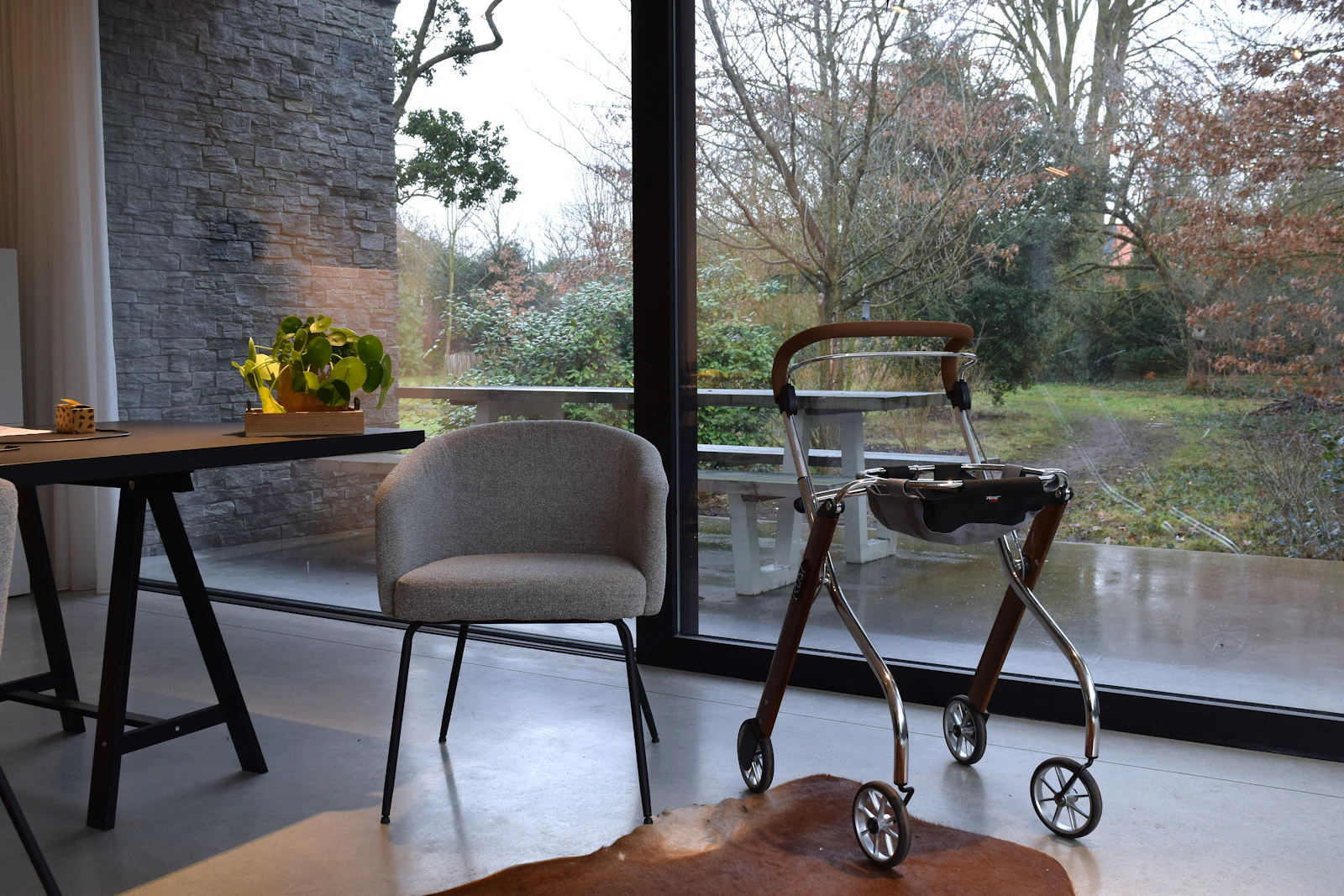
A respite arrangement that starts on or shortly after discharge, with a careful handover from hospital, written discharge instructions, a clear plan for medication and clinical follow-up, and continuity with the participant's usual support routines as much as possible. Most successful post-discharge respite arrangements look ordinary; the difference is in the planning, not the day.
When Short Term Respite does not fit
Respite is not designed for clinical care. Where the participant's needs after discharge are still primarily clinical, or where the discharge is into a recovery period that needs nursing, occupational therapy or physiotherapy, the right support is something else, not Short Term Respite.
Where respite fits, and where it usually does not
These are practical patterns we see, not absolute rules. Each situation is different.
Respite usually fits when
- Discharge is medically clean and clinical follow-up is outpatient
- Support needs are within disability-related care
- Household needs space and the participant is stable
- A short stay or in-home support package is enough
Respite usually does not fit when
- Discharge is conditional on continuing nursing or rehabilitation
- Support needs require clinical staff or specialist medical equipment
- The participant cannot return to their home and needs a longer-term arrangement
- The transition is into Specialist Disability Accommodation that is not yet ready (where MTA fits instead)
Where the question is between Short Term Respite and Medium Term Accommodation, our comparison guide walks through how the two supports differ. Where the question is between respite and in-home assistance, the difference is usually in the household's need for space.
Planning the discharge before it happens
The cleanest post-discharge transitions are planned in the week or two before discharge, while the participant is still in hospital. This gives time to brief a respite provider, confirm funding, and align the discharge instructions with the support plan.
What a planned discharge transition tends to include
These steps usually happen in parallel rather than sequentially.
Confirm the clinical picture
What is the participant being discharged with, what follow-up is needed, what medications and instructions apply.
Talk to the respite provider with the discharge plan in hand
Specifics about the participant's current state, support needs, and any new equipment, not just a generic referral.
Confirm the funding pathway
Whether respite is already in the plan, whether NDIS Hospital Discharge supports apply, or whether a fast plan review is needed.
Brief the household on the first 48 hours
What the participant can do, what they cannot do, what to flag, and how the support arrangement will hand back to the household.
Agree the handover from hospital to provider
Who is sharing what information, in writing, before the participant leaves the ward.

What to ask the hospital and the provider before discharge
A short list of clear questions, asked before the discharge date, prevents most of the problems that show up afterwards. None of these are clinical questions; they are practical ones a family or coordinator should be asking.
- What is the discharge plan, and is it being shared with the respite provider in writing?
- Are there any medications, equipment or routines that have changed during the stay?
- What clinical follow-up is needed, and what does the schedule look like?
- What is the participant currently able to do, and what should the household and provider not assume?
- Who is the contact at the hospital if something is unclear in the first week?
Respite is part of the answer to discharge for many households. It is not the whole answer. A clear plan that names the supports, the providers and the handovers carries the participant from hospital back into the household much better than respite arranged in isolation.
Frequently Asked Questions
Can Short Term Respite be used immediately after hospital discharge?
Yes, where the participant is medically stable and the support needs are within disability-related care. The cleanest arrangements are planned with the discharge team a week or two ahead, not arranged on the day.
Does Short Term Respite cover clinical care after a hospital stay?
No. Respite is not a clinical service.
Where ongoing nursing, rehabilitation or specialist medical care is needed, the right support is a clinical pathway, not respite.
What if the participant cannot return home and needs a longer arrangement?
If a confirmed future home is being prepared (modifications, SDA, a planned move), Medium Term Accommodation is usually the right support. Our companion article on STR vs MTA walks through that difference.
How do we fund respite if the plan does not currently include it?
A change of circumstances such as a hospital stay can be a reason for an early plan review. Speak to the participant's NDIS planner, LAC or support coordinator, ideally before discharge so funding is in place when needed.
What if the participant deteriorates during respite after discharge?
A reasonable provider monitors closely in the first 48 hours after discharge and has clear escalation steps with the family and clinical team. If the participant deteriorates, the response is clinical, not just an extension of respite.
Planning a respite transition after a hospital stay?
Tell us when the participant is being discharged, what the clinical picture looks like, and what the household is dealing with. Our team will walk through whether respite fits, what the handover should look like, and what the first week can be shaped around.
Talk to Noon Care