
Supported Independent Living, planned around daily life.
Supported Independent Living, or SIL, is ongoing NDIS support with daily living. Noon Care delivers it in the participant's own home or a shared setting, shaped around the routines, support needs and usual level of care that already work for the household.
- Support shape
- Ongoing daily support
- Anchor
- Routines and home life
- Fit
- Depends on the participant's plan

Steady, not standardised
Support shaped around routines, not the other way around.
Delivered in the participant's home or a shared setting.

Quick facts about SIL
- Support type
- Ongoing daily support around home life and routines
- Care level
- Shaped around the participant's usual level of care
- Plan types
- Self, plan and agency managed
- Approach
- Honest about fit before anything is set up
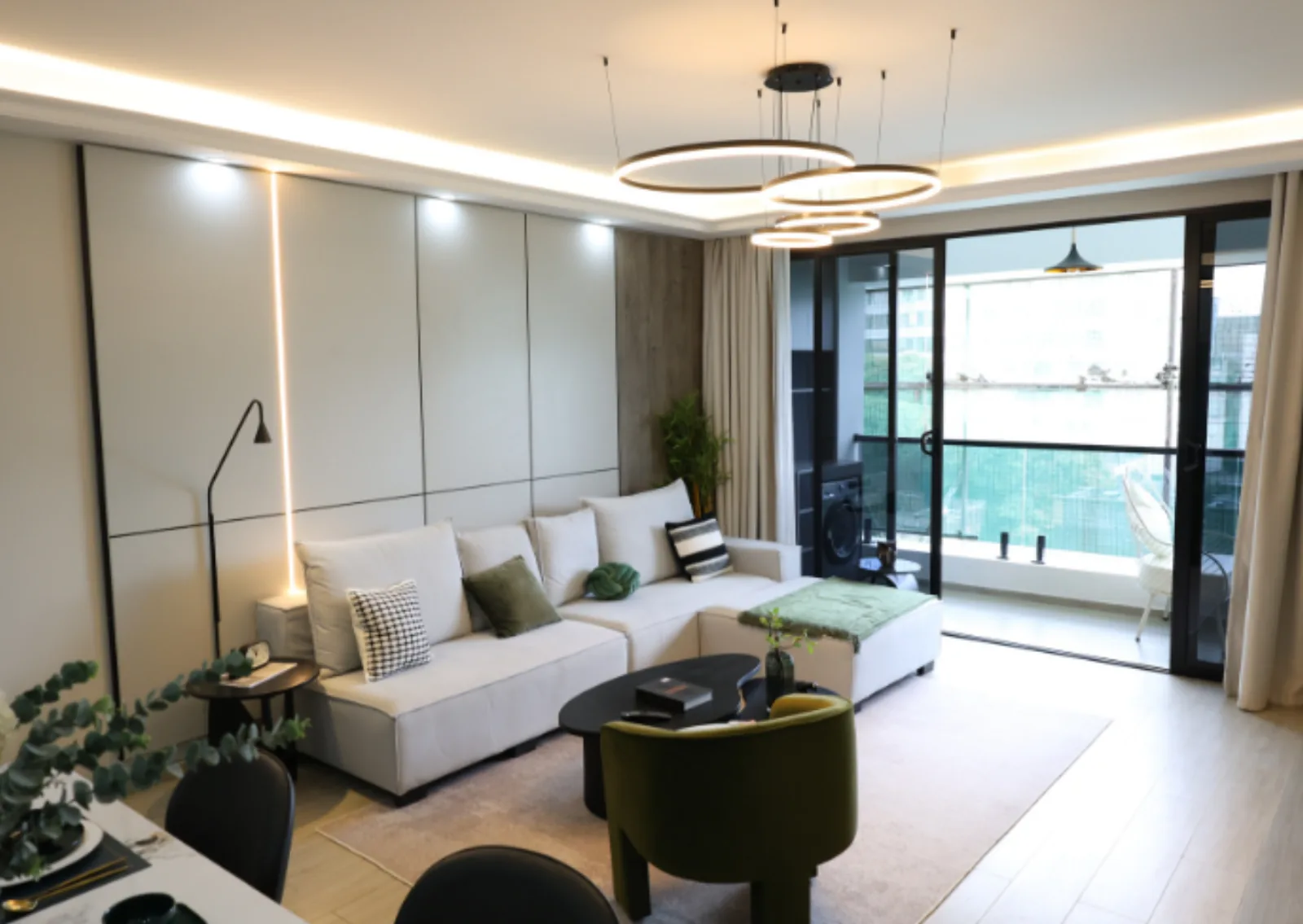
Ongoing daily support, not a time-apart arrangement.
What Supported Independent Living actually means.
Supported Independent Living, or SIL, is NDIS-funded support that helps a participant live as independently as their support needs allow. It is ongoing, rather than time-apart, and is usually delivered in the participant's own home or in a shared living arrangement.
Where Short Term Respite gives primary informal supports a defined break while the participant's usual care continues, SIL sits in a different shape: it is the day-to-day support itself. Routines, daily living and the participant's usual level of care are the things the arrangement is built around.
Every SIL arrangement looks a little different, because every plan, household and participant is a little different. What the arrangement includes is confirmed with the participant, family and support coordinator before anything is set up.
How SIL supports day-to-day life.
Ongoing daily support works best when it stays quiet and practical. These are the things a good SIL arrangement should be doing in the background of a participant's day.
- 01
Routines stay steady
Meal times, rest, medication prompts and the daily habits the participant relies on are protected, not reshuffled around the provider's convenience.
- 02
Support around home life
Practical help with everyday living, delivered in a way that respects how things are already done in the household.
- 03
Consistent support workers
Experienced, properly screened workers kept as consistent as capacity allows, so trust and routines do not have to be rebuilt each week.
- 04
Support aligned to usual care
Staffing patterns and overnight support reflect the level of care the participant is used to, not a fixed provider template.
- 05
Participation in everyday life
Support for the small, real parts of a day at home: cooking, getting out, community connections, the ordinary rhythm that makes a home feel like a home.
- 06
Room to adjust carefully
As routines shift or support needs evolve, the arrangement adjusts with them, reviewed calmly rather than reactively.
What SIL may include.
Every arrangement is built around the individual participant. As a general guide, SIL support may include:

What an arrangement actually includes depends on the participant's NDIS plan, goals and support needs. We confirm the detail with you before anything is set up.
Help with everyday activities
Practical daily support with the tasks the participant usually needs help with, delivered by experienced support workers.
Support around routines and daily living
Personal care, daily structure, meal prep, and the rhythm of the day, kept as steady as the household needs.
Delivered in the home or shared setting
Support in the participant's own home or a shared living arrangement, where that is what fits the plan and the participant's needs.
Support at the usual level of care
Staffing patterns, overnight support and daytime rosters reflect the care the participant is used to, not a standardised package.

Four common groups
Most SIL enquiries come from one of these.
Who SIL is usually for.
SIL is most useful for participants who need consistent daily support rather than a time-apart arrangement, and for the people around them who are planning how that support fits together.
- 01
Participants needing ongoing daily support
People who benefit from consistent support around routines, daily living, and home life, rather than a time-apart arrangement.
- 02
Families and carers planning steady support
Households mapping out ongoing support that sits alongside what family already does, not replacing the household's own rhythm.
- 03
Support coordinators
Coordinators scoping SIL inside a participant's plan and looking for a provider who will work carefully inside the existing arrangement.
- 04
People working out whether SIL is the right fit
If you are still weighing SIL against other supports, a calm first conversation is usually enough to point you in the right direction.
How we think about fit and routine.
SIL arrangements that land well almost always start with a careful read of what is already working in the household. We plan around that, not over the top of it. The four things below are how we try to keep every arrangement grounded.
- 01
Support fits around what already works
Plenty of households already have a caring rhythm in place. SIL is layered on top of that, not over it.
- 02
Routines are the baseline
We plan around meal times, rest, medication prompts, and the small daily habits that make a day feel normal for the participant.
- 03
Honest about fit, early
If we are not the right provider for the arrangement you are considering, we say so at the first conversation rather than stretching to say yes.
- 04
Clarity before commitment
Plan context, rostering and the shape of the arrangement are confirmed with you before anything is set up. No surprises later.
SIL, answered simply.
The questions participants, families and support coordinators ask us most when they are weighing Supported Independent Living.
What is Supported Independent Living (SIL)?
Supported Independent Living, or SIL, is ongoing NDIS-funded support with daily living. It is usually delivered in the participant's own home or in a shared living arrangement, and is shaped around routines, support needs and the participant's usual level of care.What a SIL arrangement looks like depends on the goals and funding in the participant's NDIS plan.
How is SIL different from Short Term Respite?
Short Term Respite gives a participant time apart from their primary informal supports while their usual level of care continues, typically for a defined period. Supported Independent Living is ongoing support with daily living, delivered continuously.They sit alongside one another in the NDIS, and a participant may use one, the other, or both depending on what their plan supports.
What may be included in SIL support?
SIL may include help with everyday activities, support around daily routines and home life, and support delivered in the participant's home or a shared living setting where that is suitable. Exact inclusions depend on the participant's plan, support needs and the arrangement being considered.We confirm the detail with you before anything is set up.
Who is SIL usually for?
SIL is usually for participants who benefit from consistent daily support rather than time-apart respite. That includes participants living in their own home who need ongoing support around routines, as well as participants in a shared living arrangement.Families, carers, support coordinators and plan managers are all welcome to enquire on behalf of a participant.
How does Noon Care decide whether SIL is the right fit?
We look at the participant's goals, support needs and plan circumstances, the household's existing rhythm and caring arrangement, our current capacity, and whether the arrangement you are thinking about is one we can deliver well. If another support or provider would be a better match, we say so early, so time is not lost.
Can families or support coordinators enquire about SIL?
Yes. Families, carers, support coordinators and plan managers are all welcome to reach out.You do not need a polished pitch; a plain description of the household, what the participant needs support with, and what the NDIS plan supports is usually enough to start.
Does SIL depend on the participant's NDIS plan?
Yes. Whether SIL is included in an arrangement, how much support is delivered, and what settings are suitable all depend on the participant's plan, goals and funding.Self, plan and agency managed plans are all supported. We confirm what sits within the plan before anything is booked.
Related Noon Care reading.
Short Term Respite is our lead service, so most of these threads run back through it. Pick whichever is closest to where you are up to.
Read next on Insights
Articles connected to this service
What Short Term Respite actually covers under the NDIS
How Short Term Respite sits next to ongoing SIL support in a plan.
Short Term Respite vs Medium Term Accommodation
Where each fits when SIL is on the horizon or just being set up.
Self-managed vs plan-managed respite
How plan-management choices shape the SIL and respite shape of a plan.
The lead service
Short Term Respite, the support we are most specialised in
Other Noon Care services
Other supports in the same plan
Personal Care
Respectful help with personal day-to-day routines, shaped around the participant's pace.
Community Participation
Supported access to community, social and recreational activities where appropriate.
Transport Assistance
Safe transport to appointments, activities and community outings, where it sits inside the plan.
Household & Daily Tasks
Practical home-flow support with meal prep, cleaning, shopping and appointments.
By location
Find respite by city
Not sure which page is the right starting point? Send a short enquiry and we will point you at the closest fit, or the closest provider if it is not Noon Care.
Talk to us about support that fits daily life.
Tell us a little about the participant, the routines that matter, and what the NDIS plan currently supports. A short first conversation is usually enough to tell you whether SIL we can deliver is a realistic fit, and whether we are the right provider for it.
Participants, families, carers, support coordinators and plan managers are all welcome to reach out. Suitability depends on the participant's plan, support needs and current capacity.
Exploring more? Short Term Respite, all services, or common SIL questions.