
Respite at home vs respite in accommodation: which suits the participant
Short Term Respite under the NDIS can be delivered in the participant's own home or in respite accommodation. Both are funded; both are valid; both have different effects on the participant, the household and the rhythm of the arrangement. The right choice is rarely about which setting sounds nicer in a brochure. It is about which setting actually mirrors the support the participant needs.
In this article

- Both in-home respite and accommodation respite are funded under Short Term Respite
- In-home respite suits participants whose routines depend on familiar surroundings
- Accommodation respite suits situations where the household needs space, or the participant benefits from a change of scene
- Cost structure differs: accommodation has a per-night line item, in-home does not
- Some plans fund both, with the setting chosen each time the support is used
What in-home respite actually looks like
In-home Short Term Respite is delivered in the participant's own home. A support worker comes to the home and provides the same hands-on disability-related support that the participant would normally receive from primary informal supports. The setting does not change. The people providing the care change.
Pricing is on support hours only, since accommodation is the participant's own. Funding still draws from Core Supports, claimed against the same Short Term Respite line items in the NDIS Pricing Arrangements, but the per-night accommodation rate does not apply.
Where it tends to work well
In-home respite tends to work well for participants whose routines are tightly linked to their environment, such as those with sensory sensitivities, fixed routines that depend on familiar spaces, or behaviour support plans tuned to specific surroundings. It also works well when the goal of the arrangement is for the household's primary informal supports to leave the home for a planned period, rather than for the participant to leave the home themselves.

What respite accommodation actually looks like
Accommodation Short Term Respite is delivered in a respite setting outside the participant's home. The setting is usually a home-like environment with the accessibility features and standard amenities the participant needs, run by a respite provider, with care staff available throughout the stay.
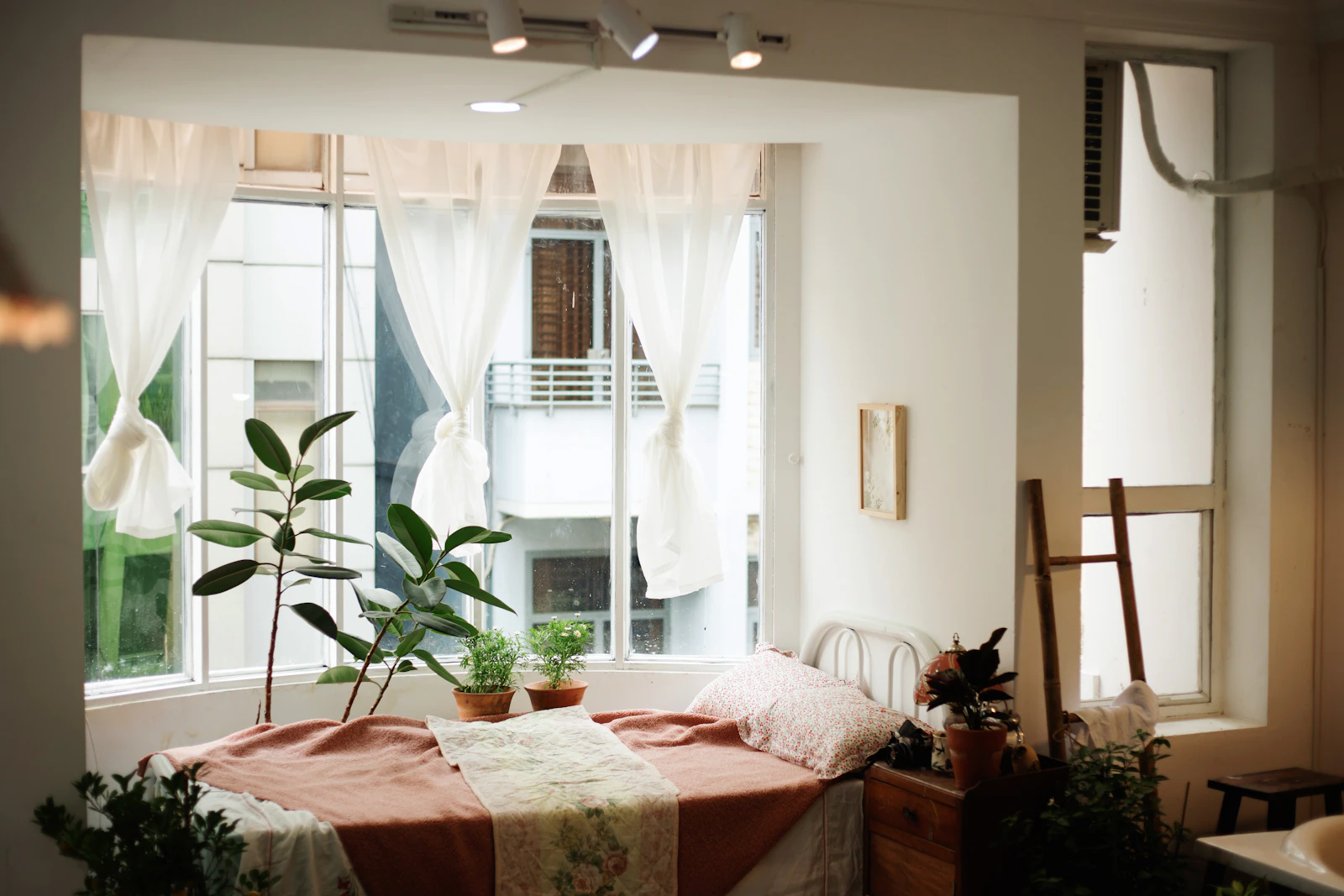
The cost includes a per-night accommodation rate alongside the support hours. Accommodation respite is the more visible form of Short Term Respite and the one most people picture when they hear the phrase, but it is not the only one, and not always the right one.
Where it tends to work well
Accommodation respite tends to work well when the participant benefits from a change of environment, when the household needs the home itself to be free for a period, or when the support intensity of an arrangement makes a dedicated setting easier to staff. It is also a sensible default when the participant has stayed in the same accommodation before and the staff already know them.
How the two settings compare in practice
In-home respite and accommodation respite, side by side
Both deliver the same support category, with the same NDIS rules. These are the practical differences that affect the participant and the household.
In-home respite
- Participant stays in familiar surroundings throughout
- Routines stay anchored to the home environment
- Cost covers support hours only, no accommodation rate
- Household is shared with workers during the arrangement
- Setting is fixed; pattern of care is the variable
Accommodation respite
- Participant stays away from home in a respite setting
- Routines need to be carried into the new environment
- Cost includes both support hours and a per-night accommodation rate
- Household is free for the duration of the arrangement
- Setting is the variable; care follows the participant in
Neither column is better. They are different shapes for different households. A household where someone needs to be in the home physically (renovation, downsizing, illness) usually leans towards accommodation respite. A household where the participant cannot tolerate a change of environment usually leans towards in-home.
How to choose between them
Three questions that usually settle it
These questions surface the answer faster than weighing pros and cons of each setting.
How tightly are the participant's routines tied to their environment?
Where routines depend on the home, in-home respite usually wins. Where routines travel with the participant, accommodation respite is on the table.
What does the household actually need from the arrangement?
If the household needs the home itself to be free, accommodation respite works. If the household needs the carers to leave but is fine for the home to be in use, in-home is fine.
Has the participant stayed in respite accommodation before?
If yes and it went well, accommodation respite is the simpler option to repeat. If no, in-home respite is sometimes the cleaner first step, with accommodation respite considered later.
Mixing the two over time
Some participants use a mix of settings over a year. Regular in-home respite to give the carers planned evenings off, plus a longer accommodation stay during school holidays or around an annual trip the household has planned. The plan funds the support hours either way; the setting is chosen each time the arrangement is shaped.
If the question of which setting to start with is genuinely open, the lower-stakes option is usually in-home respite for a short stretch. It builds familiarity with the workers without changing the participant's environment, and it gives the family information for the next conversation about whether accommodation respite would also fit.
Where the cost difference shows up
Accommodation respite costs more per night than in-home respite, because the per-night accommodation rate sits on top of the support hours. The hourly support rates themselves are the same. For a clear breakdown of how the two are priced, our guide to Short Term Respite cost walks through both settings in detail.
The cost difference is rarely the deciding factor on its own, because the two settings answer different needs. But for a household choosing between two arrangements that both fit the participant, the in-home option will usually go further inside a fixed plan budget.
Frequently Asked Questions
Is in-home respite cheaper than accommodation respite?
Per night, yes, because there is no accommodation rate. The hourly support rates are the same.
The total cost depends on hours, support ratio and time bands; the setting changes the per-night addition, not the hourly rate.
Can the same NDIS plan fund both in-home and accommodation respite?
Yes. Plans usually fund Short Term Respite as a number of nights, days or hours, and the setting is chosen each time the support is used.
Some arrangements mix both within a plan period.
Does the participant have to leave home for it to count as Short Term Respite?
No. In-home respite is a valid form of Short Term Respite under the NDIS.
Where the goal of the arrangement is to give primary informal supports a break, the participant staying in their own home is fine.
Are there situations where accommodation respite is clearly the right choice?
When the household needs the home itself to be unavailable for a period, when the participant benefits from a change of environment, or when the staffing of an intensive arrangement is much easier in a dedicated setting. Each of these can be a clear case for accommodation respite.
Are there situations where in-home respite is clearly the right choice?
When the participant's routines are tightly tied to their environment, when a behaviour support plan is tuned to specific surroundings, or when a previous accommodation stay did not go well. Each of these tends to point towards in-home as the cleaner setting.
Not sure which respite setting suits your situation?
Tell us about the participant, the routines that matter, and what the household needs from the arrangement. Our team will walk through which setting fits, and where a mix of both might work better.
Talk to Noon Care